Welcome to Talent 25

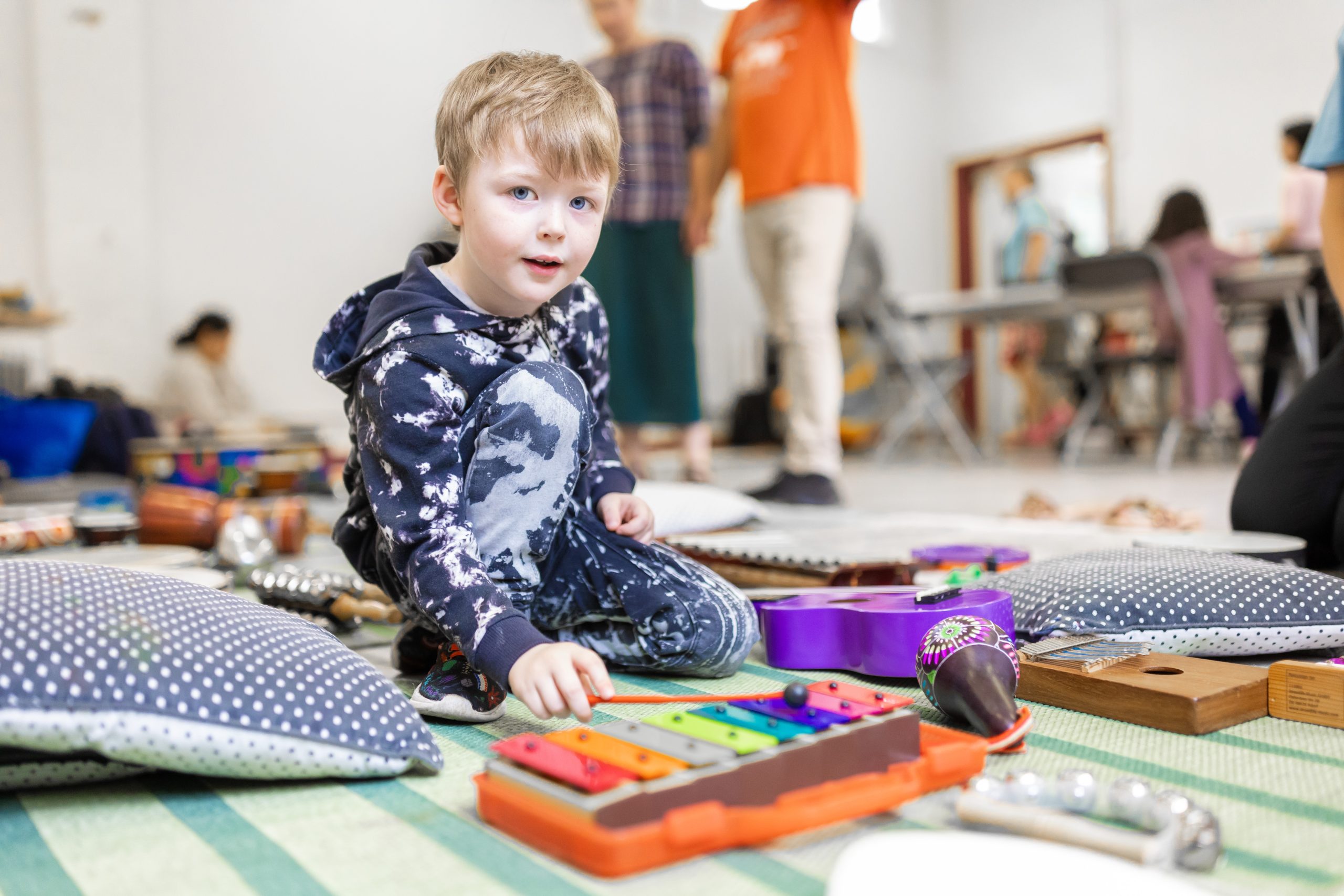
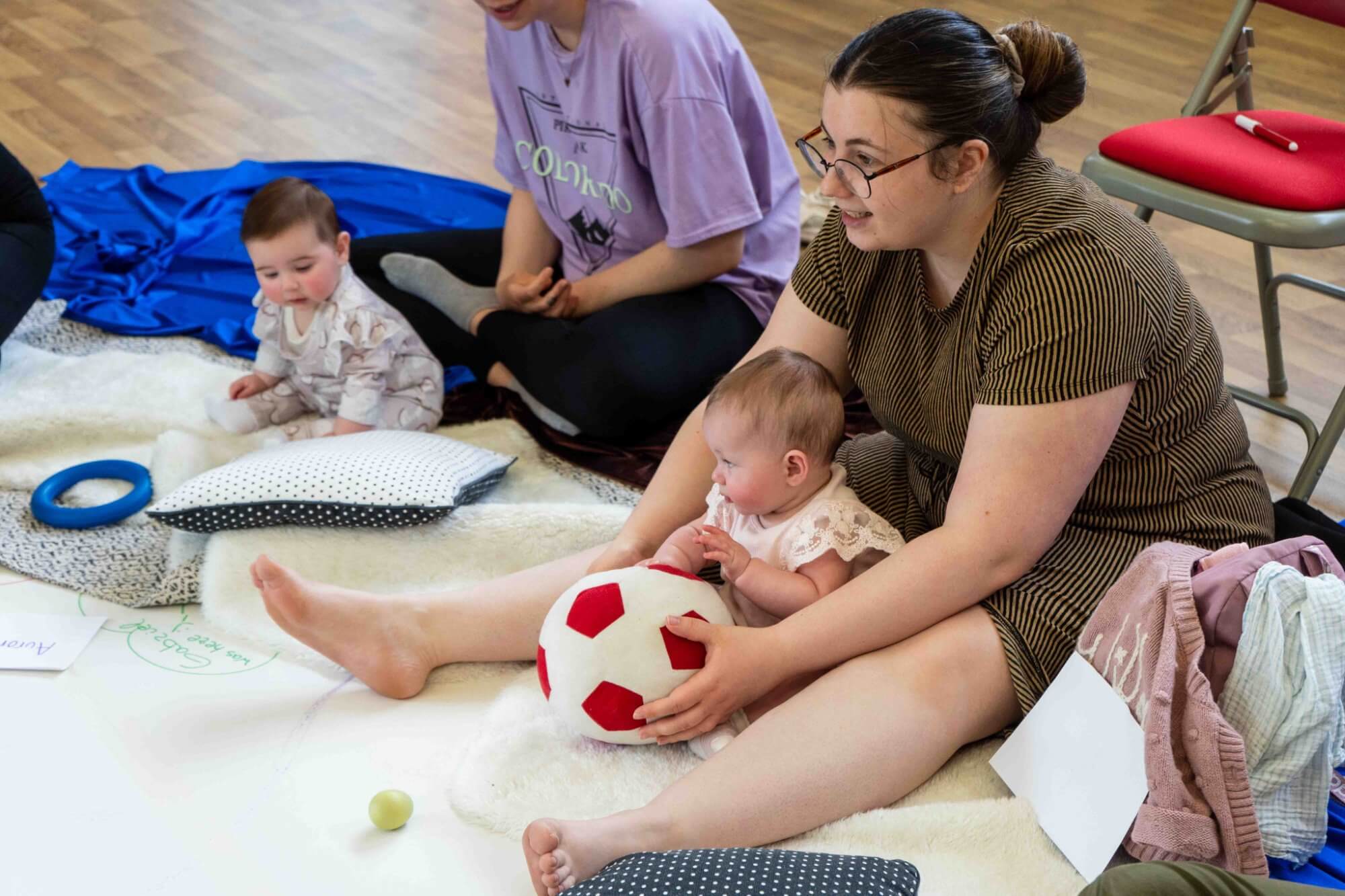
Talent 25 is a groundbreaking research programme based in Leicester that has gained international recognition. Launched in 2019, this 25-year study aims to explore how participation in creative and cultural activities affects children from their early years through various stages of their lives into young adulthood.
The findings of the study thus far offer valuable insights into the experiences of both parents and babies who participate in creative activities. These insights also highlight the best ways to engage children and their families in creative and cultural pursuits. In discussions with parents, they noted that participating in creative and cultural activities promotes their children’s overall health and well-being. Additionally, they emphasised the importance of inclusive intercultural engagement in these activities and called for a stronger focus on affordability and intercultural exchange.
1. Equity focus
Early insights suggest that Talent 25 offers a promising model for engaging under-served communities who experience multiple barriers to participation in creative and cultural activities.
2. Creativity as a right
The programme is beginning to highlight the importance of creativity as a core component of early childhood and social provision, alongside health and education — not as a bolt-on, but as a right for every child.
3. Early engagement matters
Early findings indicate that participation in creative and cultural activities from the early years can shape children’s development and wellbeing, laying foundations for confidence, creativity and longer-term engagement.
4. Workforce implications
Emerging evidence points to the need for a competency framework and clearer training pathways for early-years creative practitioners to support high-quality and equitable provision.
5. A global first
To our knowledge, Talent 25 represents the first longitudinal study worldwide to follow children’s creative journeys over a 25-year period.
6. Evidence for change
Early findings from Talent 25 are already being used to inform local and national conversations about creative, cultural and early-years policy, with further evidence emerging as the programme develops.